
Can a Checkweigher Store and Analyze Production Data?
A modern checkweigher is far more than a simple weighing device. Today’s systems, including a checkweigher for packaging line, are equipped with intelligent data management capabilities that allow manufacturers to store, analyze, and optimize production data in real time. This transforms checkweighers into powerful tools for quality control, compliance, and production efficiency.
What Data Can a Checkweigher Collect?
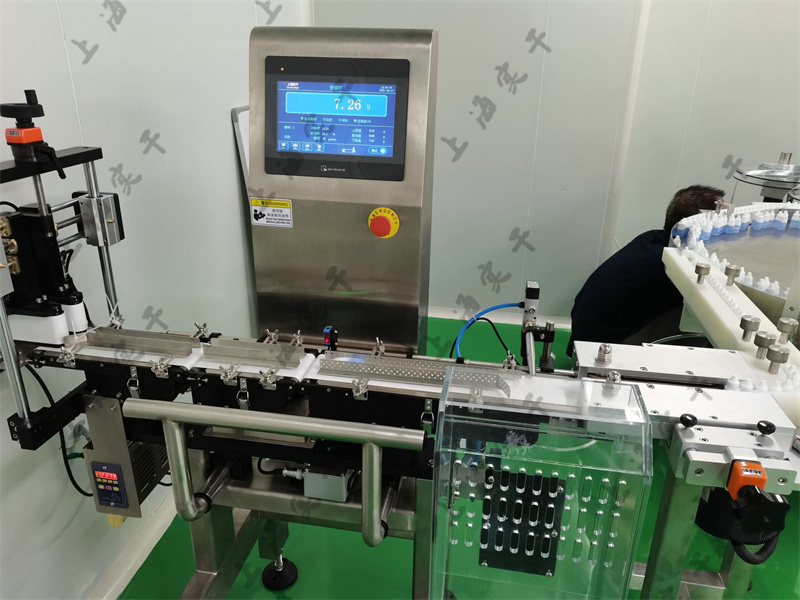
A dynamic checkweigher continuously monitors and records key production metrics during operation. Common data points include:
1. Individual product weight values
2. Average weight and weight variation
3. Overweight and underweight rejection counts
4. Total production output
5. Line speed and throughput
6. Reject reasons and frequency
This data provides a complete overview of production performance, helping manufacturers identify issues before they become costly problems.
How Checkweighers Store Production Data
A modern automatic checkweigher machine is equipped with internal memory systems and industrial controllers that automatically store data during operation. Depending on the model, data can be:
1. Stored internally for local access
2. Exported via USB or SD card
3. Transferred to factory networks via Ethernet or Wi-Fi
4. Integrated into MES (Manufacturing Execution Systems) or ERP systems
A conveyor checkweigher system ensures that production data is always accessible for reporting, traceability, and analysis.
How Checkweighers Analyze Data in Real Time
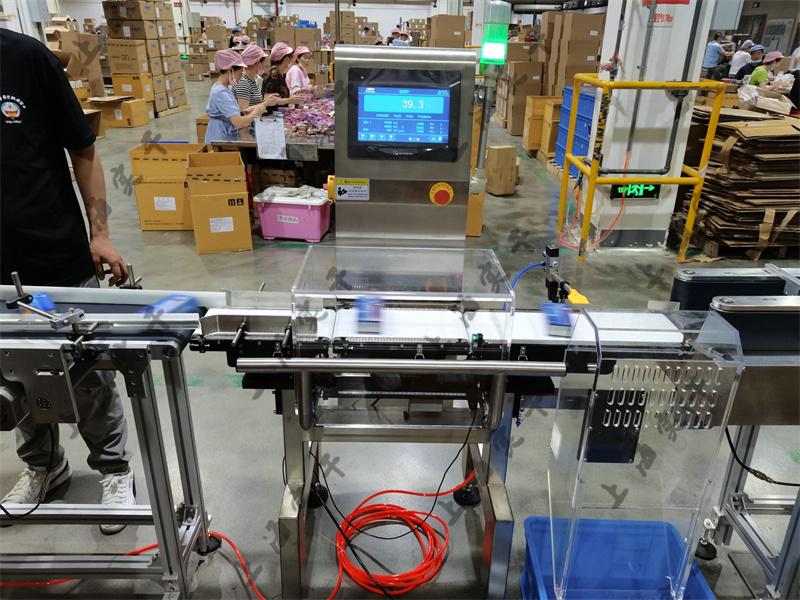
Advanced checkweighers do not just store data—they actively analyze it during production. A high speed checkweigher machine provides real-time analysis functions including:
1. Statistical process control (SPC) monitoring
2. Trend analysis of weight variations
3. Automatic adjustment alerts when deviation occurs
4. Live production performance dashboards
By analyzing data instantly, an intelligent checkweigher helps operators detect issues such as incorrect filling, machine drift, or packaging inconsistencies.
Benefits of Data-Driven Checkweighing
Using a checkweigher with data analysis capabilities provides significant advantages:
1. Improved Product Quality
Consistent weight control ensures every product meets target specifications, reducing customer complaints and returns.
2. Regulatory Compliance
Accurate production records support compliance with standards such as HACCP, ISO, and food labeling regulations.
3. Reduced Material Waste
Early detection of overfilling or underfilling helps minimize product giveaway and raw material loss.
4. Increased Production Efficiency
Real-time insights allow faster decision-making and continuous process optimization.
5. Full Traceability
Stored data provides a complete production history for audits and quality investigations.
Integration with Smart Factory Systems
Modern production environments rely heavily on automation and connectivity. A checkweigher with rejection system can integrate with:
ERP systems for inventory and production planning
MES platforms for manufacturing control
SCADA systems for plant-wide monitoring
Cloud-based dashboards for remote access
This connectivity transforms the checkweigher into a central data node within the smart factory ecosystem.
What Types of Checkweighers Offer Data Analysis?
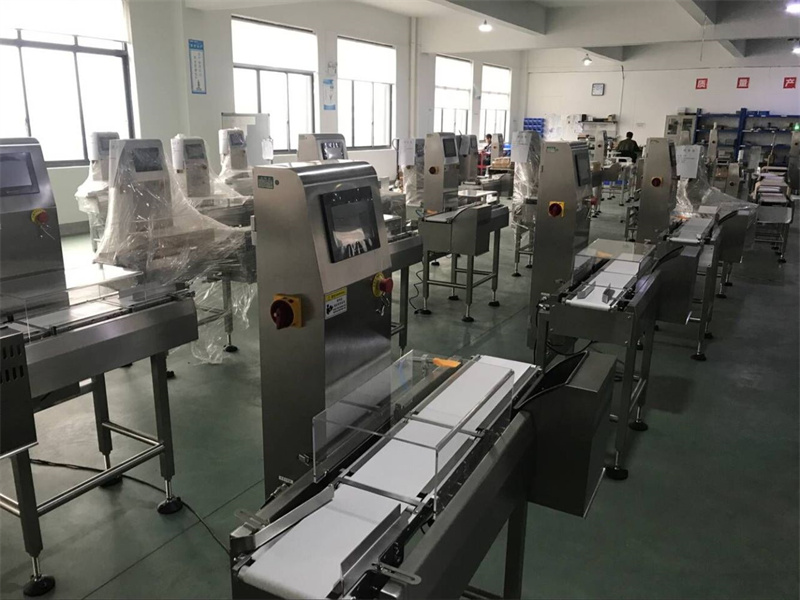
Not all checkweighers have advanced data capabilities. Typically, the following models support full data storage and analysis:
Dynamic checkweigher systems
High-speed checkweighing systems
Multi-lane checkweighers
Fully automated packaging line checkweighers
Capsule and tablet checkweigher
These systems are designed for continuous production environments where data accuracy and speed are critical.
A modern checkweigher is not just a weighing device—it is a powerful data intelligence tool. By storing and analyzing production data, it helps manufacturers improve quality control, reduce waste, and achieve full regulatory compliance.
For any production facility aiming to move toward smarter manufacturing, investing in an intelligent checkweigher is a strategic step toward higher efficiency, better consistency, and long-term operational success. If you would like to know more, please contact us!